
As reported on November 23, 2026, crypto platforms were increasingly using mobile apps to reach people who had never managed a browser wallet. For Aave, the change was not simply a smaller screen: its app was designed to let users move money from a bank account into a DeFi lending product without handling the underlying wallet and chain steps themselves.
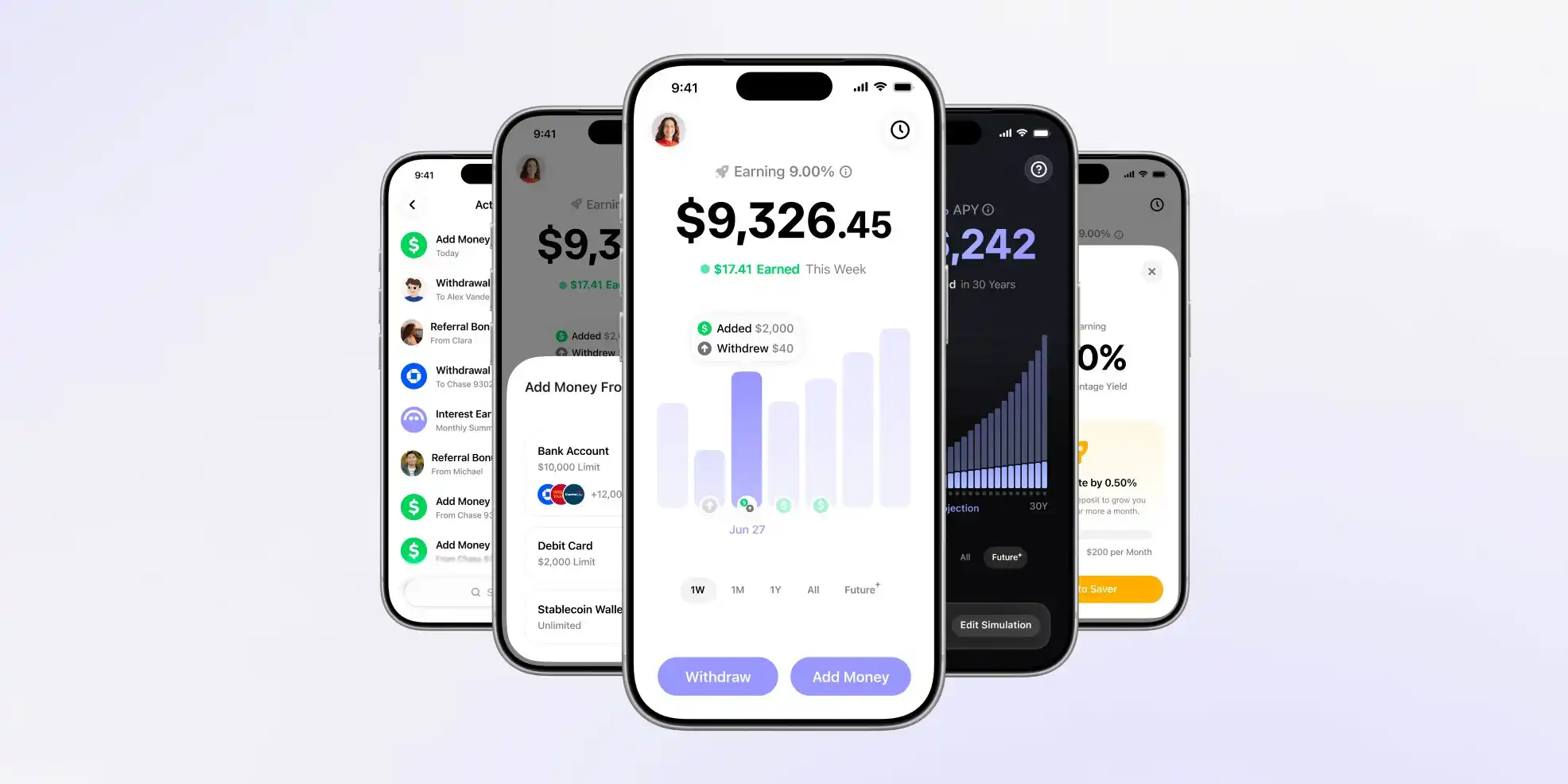
Aave’s route from bank account to DeFi
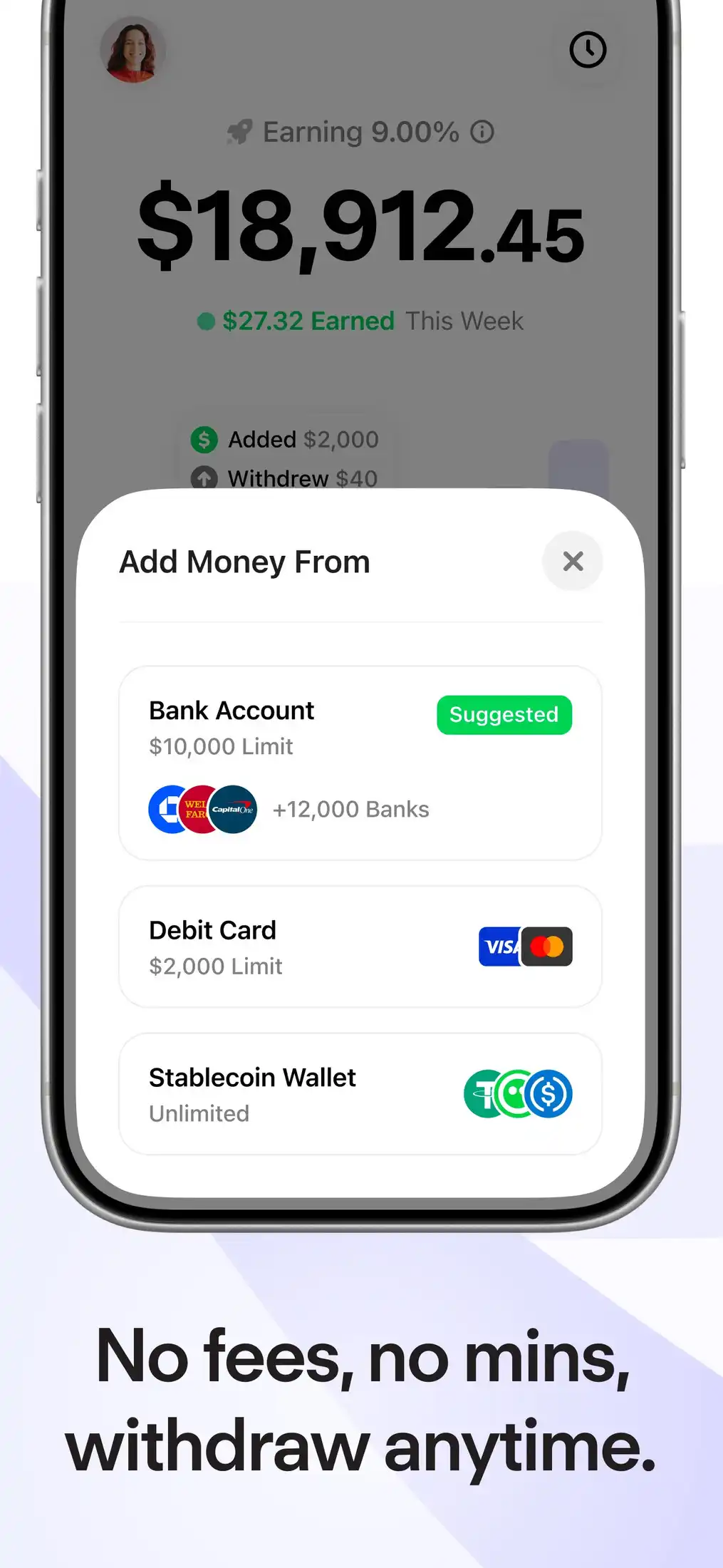
Aave launched on the web in 2017. Its developer announced plans for an iPhone app on November 17, 2025, and the app reached its first iPhone users in August 2026. In the app described by the report, users could sign in with an email address or phone number and add funds from a bank account or debit card. The service handled the conversion to stablecoins and the onchain routing behind the interface.
That design addresses a barrier Aave founder Stani Kulechov had acknowledged. In a 2024 interview, he said that even his parents, who used Aave, still found DeFi too difficult. The app removes some steps they would otherwise have to navigate, but it does not make the product equivalent to a bank deposit. Aave initially advertised a yield range of 5% to 9%; the page showed 6.25%, marked variable, when the November 2026 report was written. Its stated balance protection was not US federally backed deposit insurance.
Mobile distribution, then an account relationship
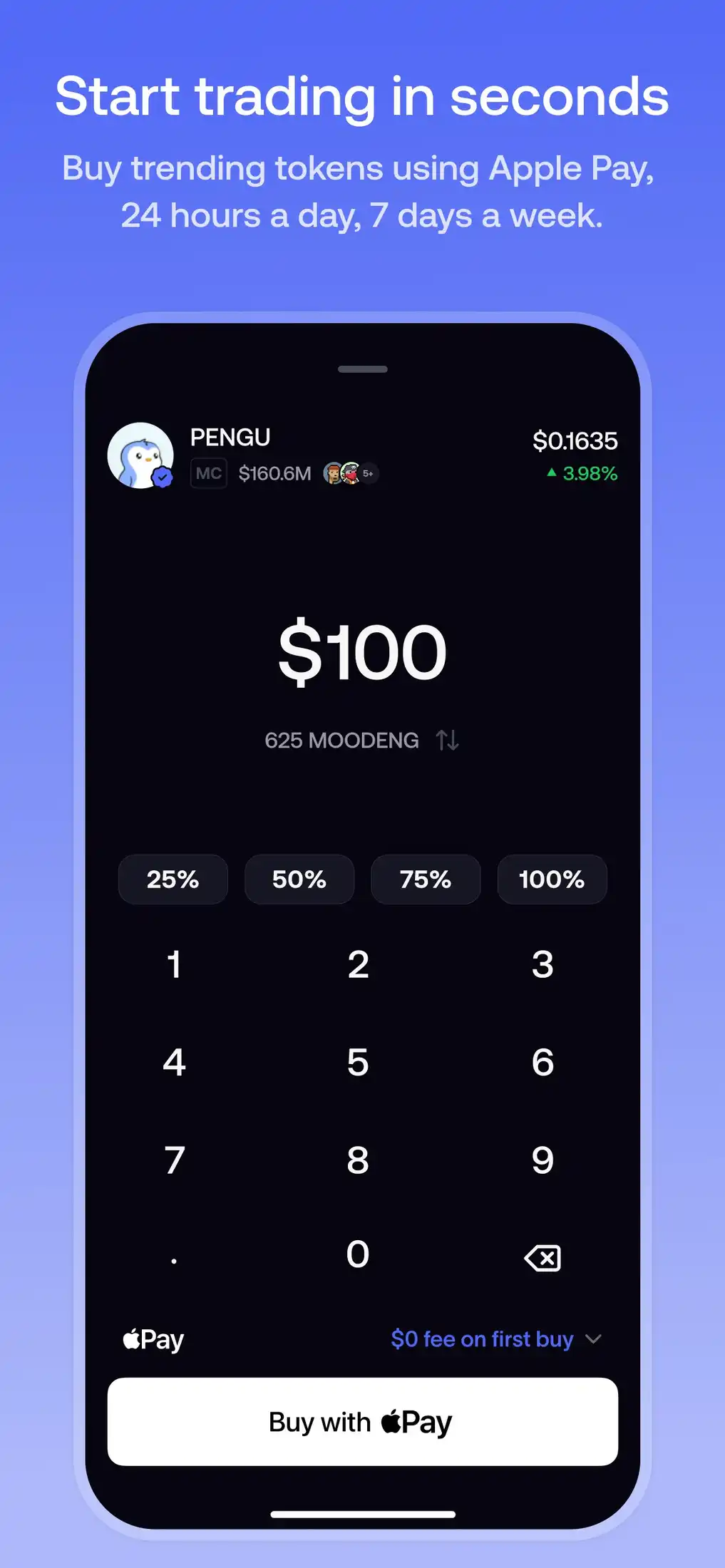
Other apps illustrated different parts of the shift. Phantom added access to Hyperliquid perpetual-futures trading in July 2025. Hyperliquid let third-party apps route users’ orders to its trading venue and charge an additional fee. Fomo, a meme-token trading app launched in May 2025, added Apple Pay the following month to make it easier for users with fiat money to start buying tokens. These were trading interfaces, not the same product as Aave’s savings-oriented app.
Some firms were going further than a one-off purchase or trade. In October 2026, ether.fi announced a MoonPay-powered deposit arrangement offering users virtual account and routing numbers, which could be entered into a payroll system. The appeal for such products is recurring access to a user’s money, rather than a single transaction. It also makes the distinction between a familiar-looking account interface and the legal protections behind it more important.
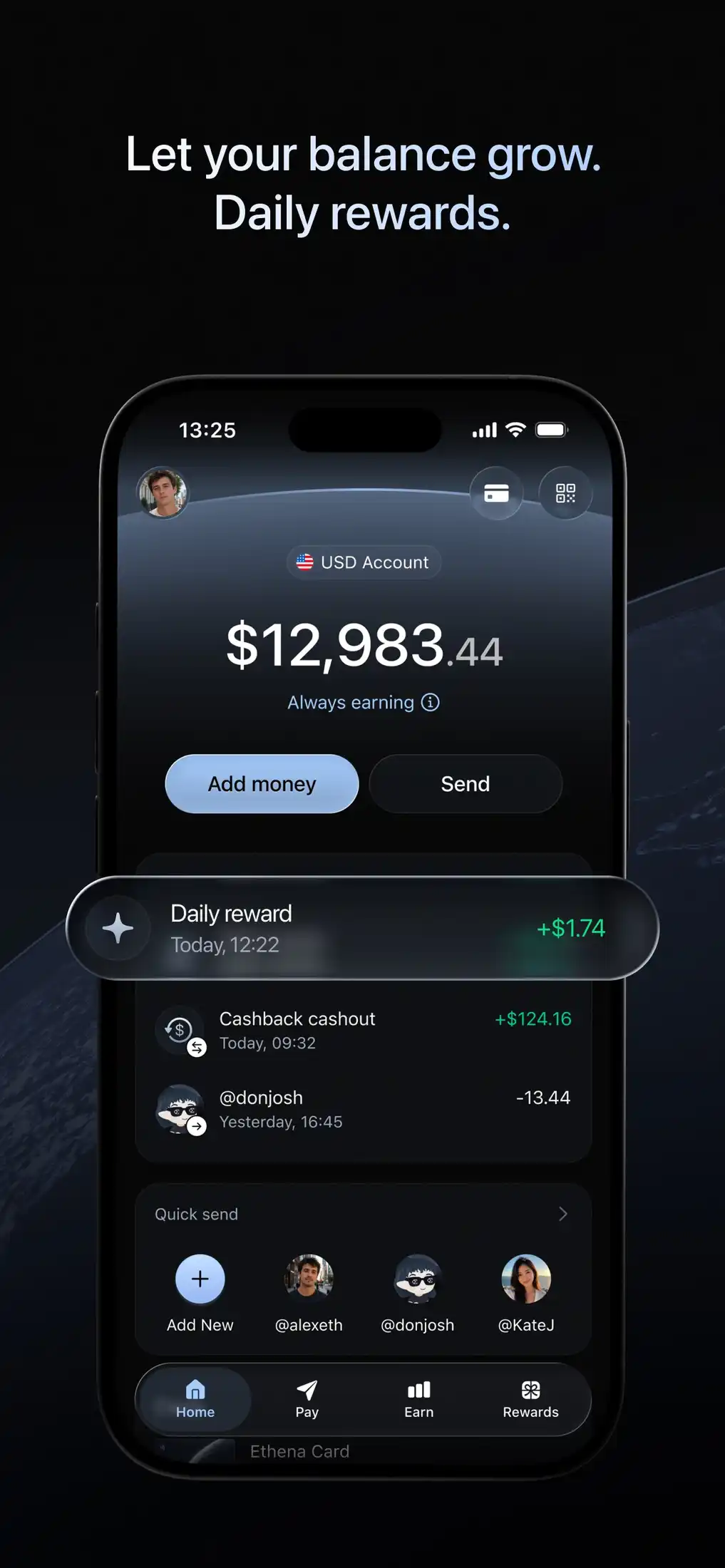
The move to mobile therefore has two sides: simpler access to crypto services, and a greater need to understand what happens after funds arrive. An app can conceal wallets, stablecoins and chain selection from its interface; it cannot, by doing so, turn a variable DeFi yield into an insured bank deposit.