Originally reported by 深潮 TechFlow on November 16, 2026, at 18:01 (UTC+8), in a Chinese translation of an article attributed to Vitalik Buterin.
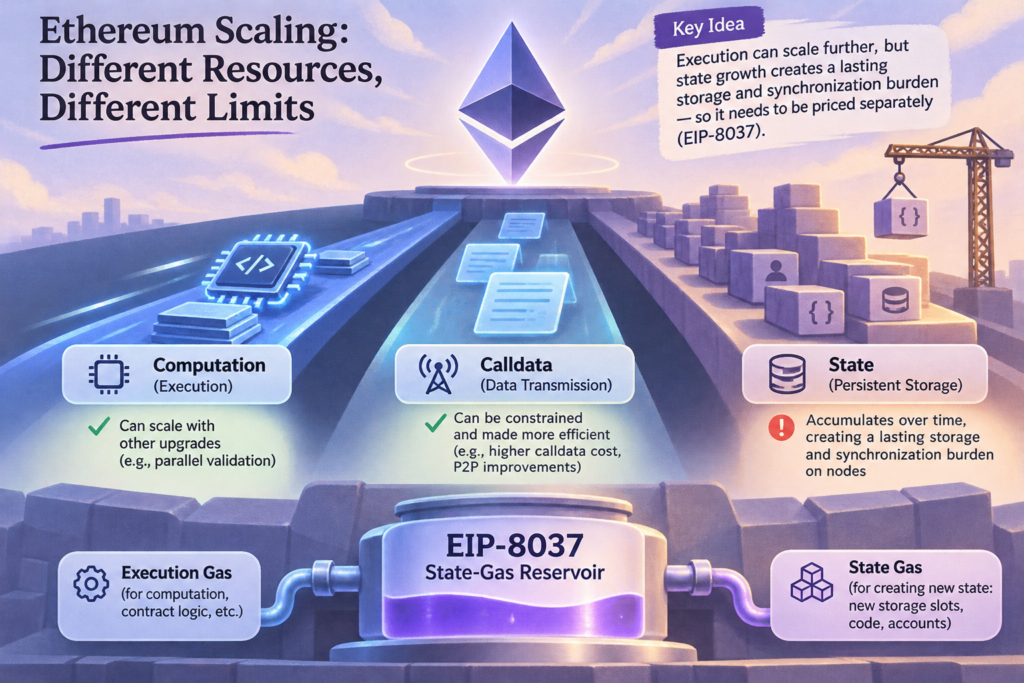
Ethereum cannot safely scale every resource by simply raising the block gas limit, Buterin argues. Computation and data transmission can benefit from other proposed upgrades, while creating new state leaves a lasting storage and synchronization burden on nodes. His case for EIP-8037 is to price that burden separately so execution capacity could grow without allowing state growth to rise at the same rate. The article discusses a proposal and its compatibility risks—not an activated network rule.
Why separate state creation from execution?
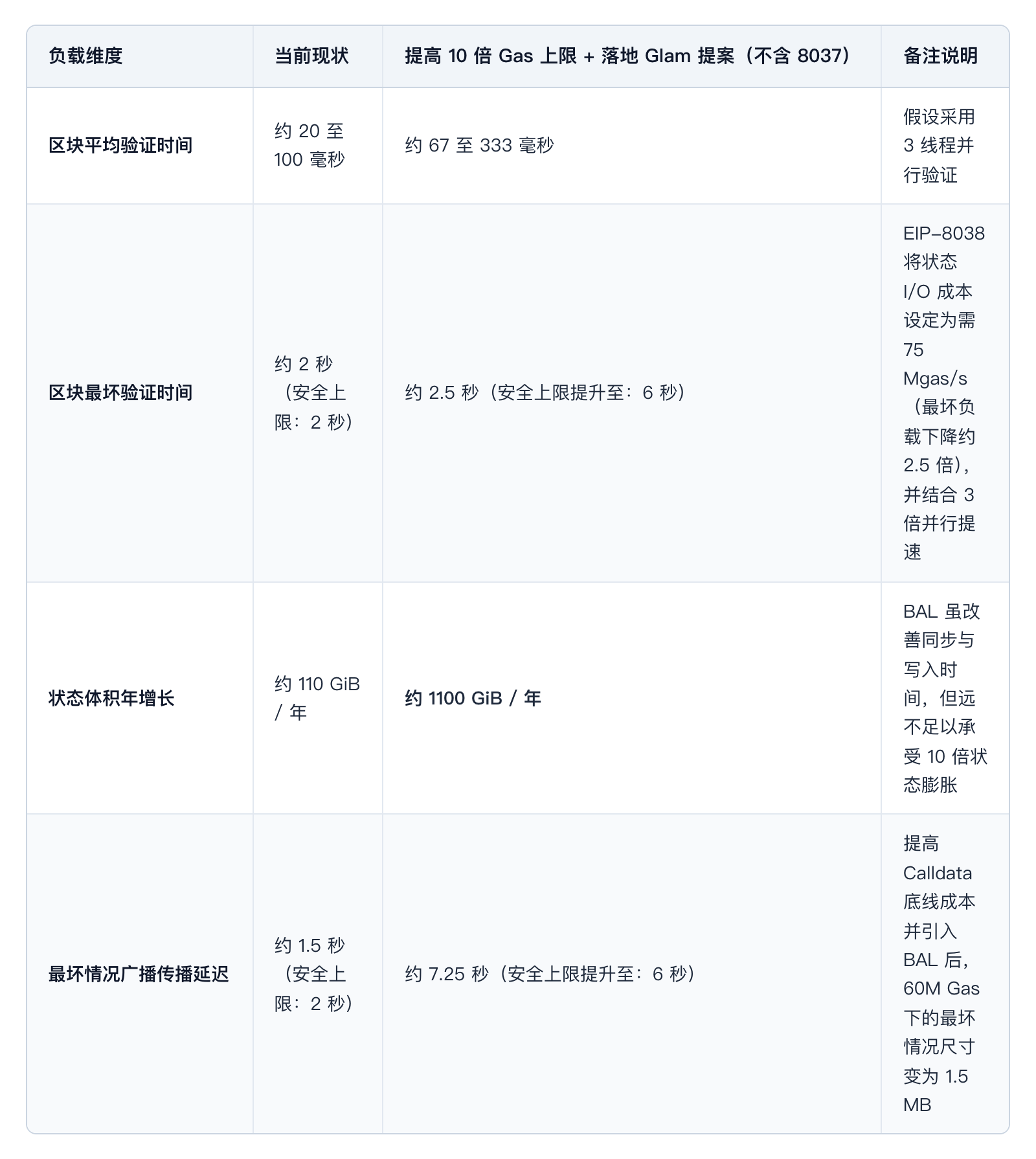
Buterin considers a hypothetical tenfold gas-limit increase. Without other changes, he says, it would also multiply pressure on worst-case block validation, calldata transmission and state growth. He points to other Glamsterdam proposals intended to ease some of those constraints: EIP-7976 would raise calldata’s minimum cost to 64 gas per byte; EIP-7928 would introduce block-level access lists to support parallel validation; EIP-8038 would raise state-I/O costs; and EIP-7732, or ePBS, would extend the block-validation window from roughly two seconds to about six seconds. He also discusses prospective Hegota and peer-to-peer improvements. These are elements of his scaling argument, not a claim that the proposals have all been deployed.
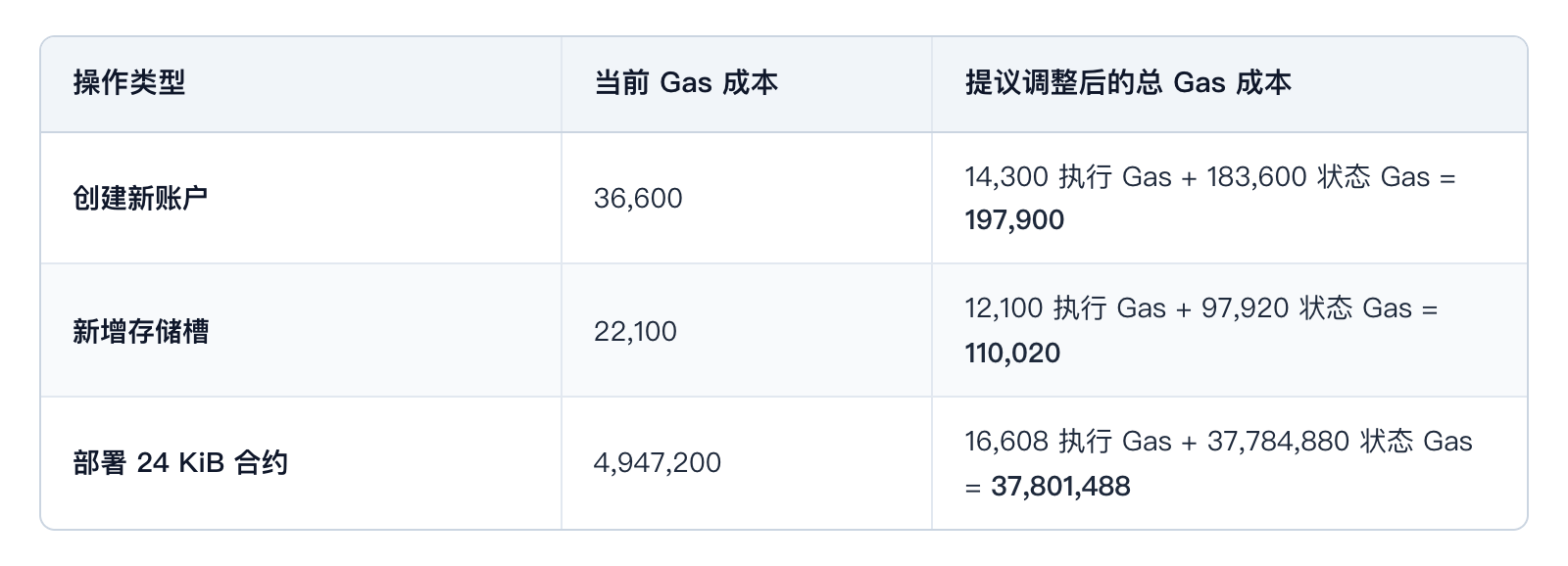
EIP-8037 would instead increase the cost of creating state, including new storage slots, code and accounts. In the proposal as described, creating an account through any route would incur 183,600 state gas; the cost-setting parameter CPSB would start at 1,530 and could rise alongside the gas limit.
What the reservoir would do—and what it would not
Under EIP-8037’s proposed design, a transaction could provide a state-gas reservoir alongside execution gas. State-creation charges would draw from that reservoir first, then from execution gas if it ran out. A parent call could limit a child call’s execution gas but could not block its access to the reservoir. Buterin says this would let a full-size 24 KiB contract deployment proceed despite the 16.7 million per-transaction execution-gas limit. He describes EIP-8141 frame transactions as a possible later way to specify the two allowances more directly.
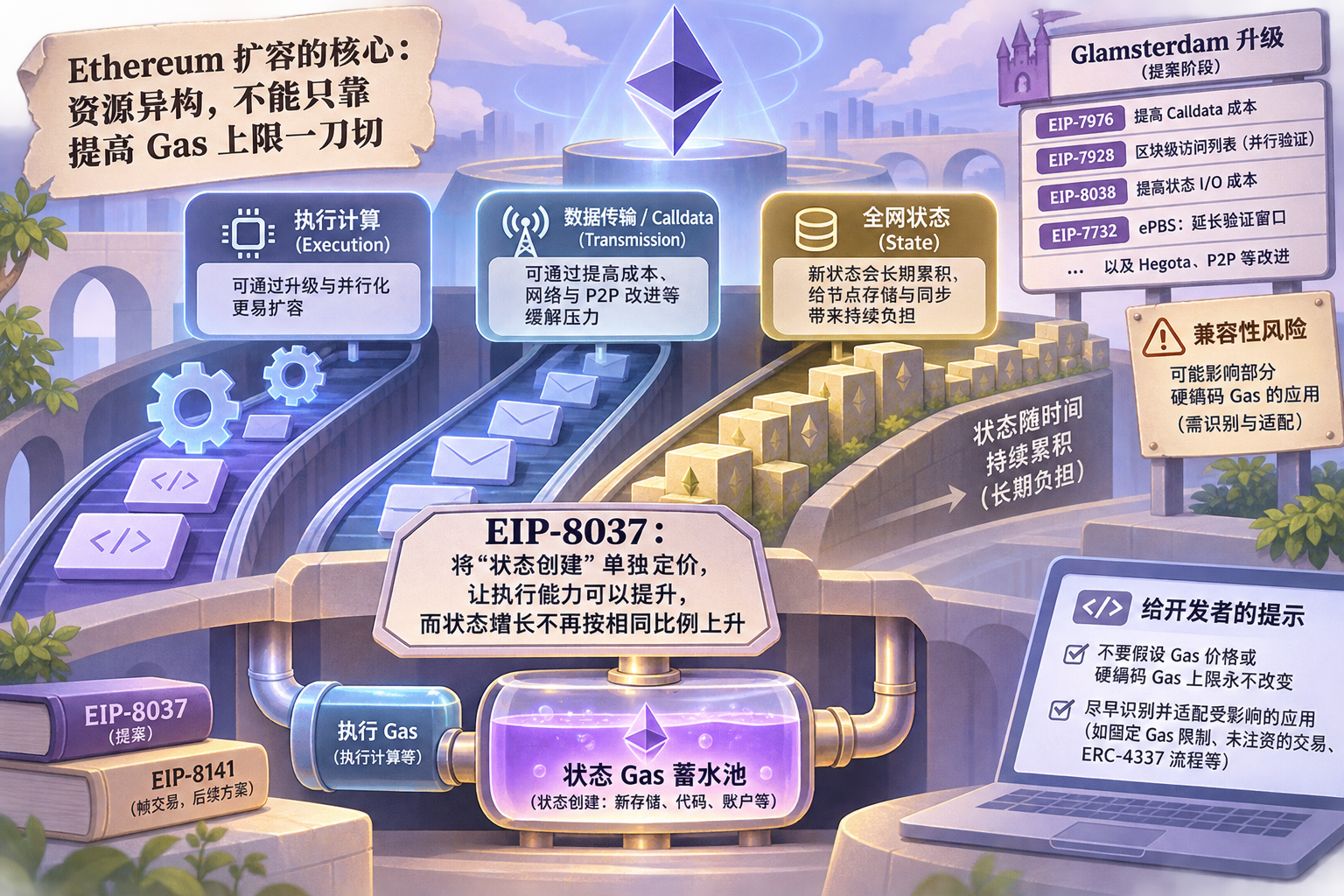
The reservoir would not resolve every compatibility problem. Buterin identifies applications with hard-coded gas limits, transactions sent without reservoir funding, changes to how remaining gas is reported, and difficulties for ERC-4337 account-abstraction flows. Separately, he says EIP-8038 would raise an SSTORE cost from 5,000 to 12,100 without reservoir protection, affecting a small number of older applications. His example of an OP Stack bridge describes a potential failure involving a hard-coded 40,000-gas limit; it should not be read as a report of a confirmed loss.
Buterin favors identifying and adapting affected applications over adding further protocol-level exceptions, which he argues could introduce new risks. He says Glamsterdam’s launch window had already been delayed and that ecosystem work to find affected projects was underway at the time of the article. Those statements describe the November 2026 reporting context, not the upgrade’s present status.
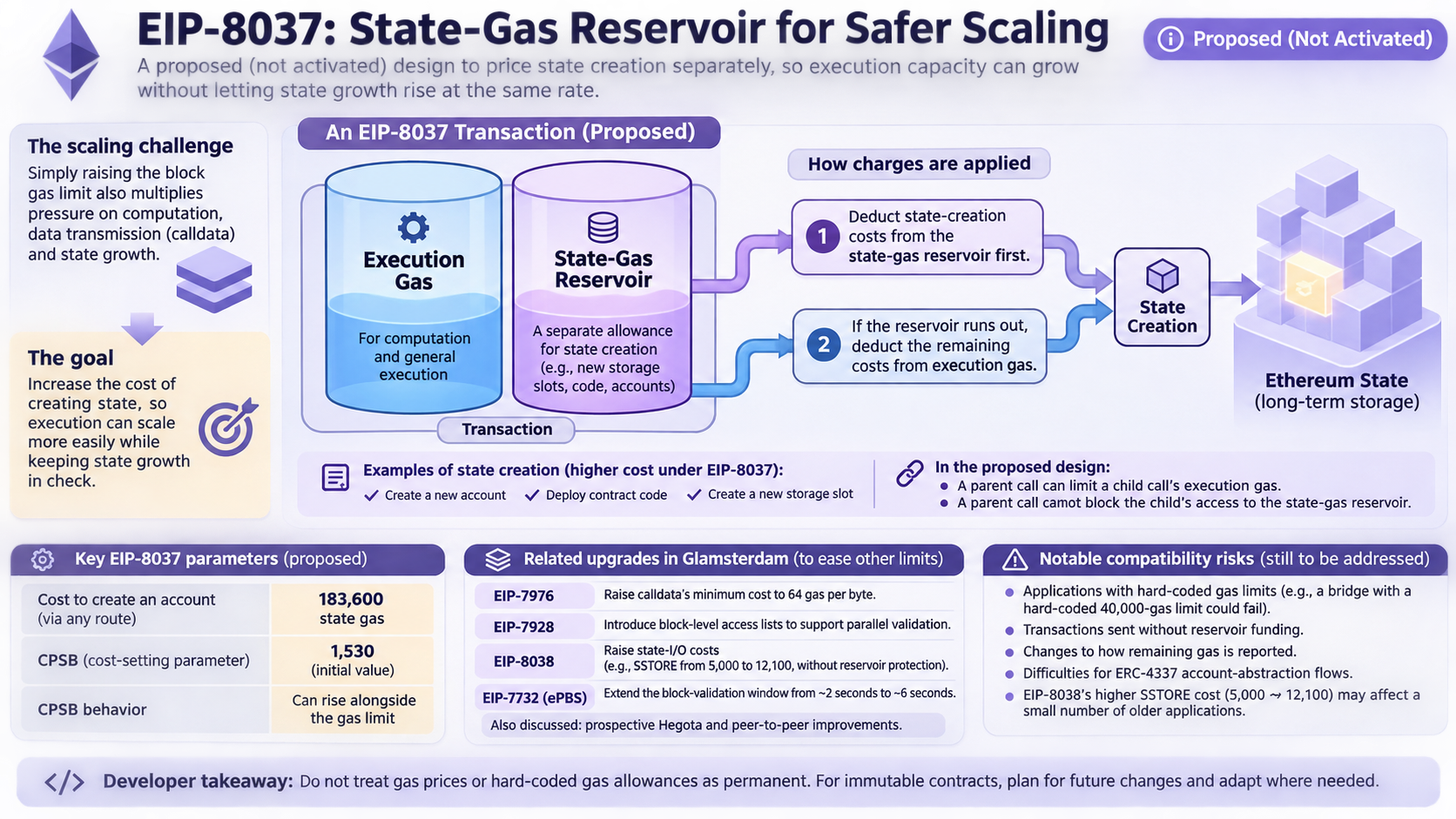
For developers of immutable contracts, his broader recommendation is not to treat gas prices or hard-coded gas allowances as permanent. His longer list of possible future changes—including transaction formats, consensus features and slot timing—is presented as a preliminary outlook, not a set of approved upgrades.
Source: techflowpost.com (originally published 2026-11-16 18:01 UTC+8)